
In industrial production and engineering, high-temperature resistant rubber hoses are highly favored due to their excellent heat resistance and corrosion resistance. High temperature resistant hoses play an indispensable role in fields such as chemical, food, pharmaceutical, and machinery manufacturing. In this article, we will delve into the types, characteristics, applications, and how to choose high-quality rubber hoses to meet various steam and high-temperature air transmission needs.

 
What is a high-temperature resistant rubber hose?
 
High temperature resistant rubber hoses refer to flexible pipes that can work stably and maintain their performance in high temperature environments. These hoses are usually made of specially formulated rubber materials that can withstand temperatures up to 200 degrees Celsius or even higher. Their structural design aims to optimize fluid transport efficiency and ensure safety and durability under harsh conditions.
 
2. Types of high-temperature resistant rubber hoses
 
High temperature resistant rubber hoses can be classified according to different uses and materials, and common types include:
 
2.1 Steam hoses
 
Steam hoses are designed specifically for transporting high-temperature steam, and their internal structure typically uses high-temperature resistant silicone or special synthetic rubber. It has good compressive performance and can withstand pressures up to 16 bar, protecting the safety of the hose in high temperature and high pressure environments.
 
2.2 High temperature air hose
 
High temperature air hoses are mainly used to transport high-temperature air and gases, and are widely used in processes such as painting, drying, and heat treatment. This type of hose not only needs to have strong high-temperature resistance, but also needs good flexibility to be used in various complex installation environments.
 
2.3 Oil resistant and high-temperature resistant hose
 
For some industrial applications that require simultaneous prevention of grease erosion and high noise, oil and high temperature resistant hoses have become the choice. They have undergone special treatment to ensure that they can maintain good performance when facing liquids such as oil and gasoline.
 
3. Main characteristics of high-temperature resistant rubber hoses
 
The characteristics of high-temperature resistant rubber hoses make them important in various industry applications. The following are some of the main features:
 
3.1 High temperature performance
 
High temperature resistant rubber hoses can withstand extremely high temperatures, ensuring good performance even in high-temperature working environments. For example, certain specific silicone hoses can withstand temperatures up to 300 degrees Celsius without deformation.
 
3.2 Voltage resistance
 
High quality high-temperature resistant hoses are usually designed with reinforcement layers to increase their pressure bearing capacity under high temperature conditions. This design enables the hose to effectively prevent rupture and leakage under high temperature and pressure conditions.
 
3.3 Chemical stability
 
High temperature resistant rubber hoses usually have strong corrosion resistance and can resist the erosion of various chemicals. Especially in the chemical industry, the use of high-temperature resistant hoses can effectively extend the service life of equipment.
 
3.4 Flexibility and ease of installation
 
Even in high-temperature environments, high-quality heat-resistant hoses still maintain good flexibility, making it convenient for users to install in various complex situations. Due to its lightweight nature, this hose greatly simplifies the installation and maintenance process.
 
4. Application scenarios of high-temperature resistant rubber hoses
 
The application range of high-temperature resistant rubber hoses is very wide, and the following are some common usage scenarios:
 
4.1 Manufacturing process
 
In many manufacturing processes, such as injection molding or die casting, high-temperature steam or hot air is used. At this point, high-temperature resistant rubber hoses can ensure stable gas transmission during the production process and improve production efficiency.
 
4.2 Chemical Industry
 
In chemical plants, many chemicals are prone to react at high temperatures. High temperature resistant hoses can ensure the safe transportation of these fluids under high temperature conditions, avoiding problems such as leaks caused by excessive temperature in conventional hoses.
 
4.3 Food Industry
 
In the process of food production, high-temperature steam is commonly used for cleaning and disinfection. The high temperature resistance and antibacterial properties of high-temperature resistant rubber hoses ensure the safety of food.
 
4.4 Aviation and Automotive Industry
 
In the aviation and automotive manufacturing processes, high-temperature hoses are used to guide hot air and steam, which can enhance the performance and durability of equipment.
 
5. How to choose high-quality high-temperature resistant rubber hoses
 
When choosing high-quality high-temperature resistant rubber hoses, the following aspects can be considered:
 
5.1 Understanding the usage environment
 
Before purchasing high-temperature resistant hoses, determining the environment in which they will be placed is a key factor. This includes temperature, pressure, fluid type, and whether it has been in contact with chemical substances.
 
5.2 Material selection
 
Choose suitable materials such as silicone, polyurethane, etc. according to different applications to ensure that they can adapt to specific high temperatures and chemical environments.
 
5.3 Supplier reputation
 
Choose a reputable supplier to ensure that the high-temperature resistant rubber hoses they provide have undergone strict quality testing and come with relevant quality certificates.
 
5.4 Product Specifications
 
Pay attention to the detailed specifications of the product, such as voltage rating, temperature range, and service life, to ensure that it can meet specific application requirements.
 
6. Conclusion
 
High temperature resistant rubber hoses are an indispensable part of industrial applications, and their importance is self-evident. With the development of technology, materials and techniques for high-temperature resistant hoses are constantly innovating, providing more efficient and safer solutions for various industries in the future. I hope the information provided in this article can help you better understand high-temperature resistant rubber hoses and make informed decisions when choosing and using them. Choosing high-quality high-temperature resistant hoses is an important guarantee for ensuring industrial production safety and efficiency.
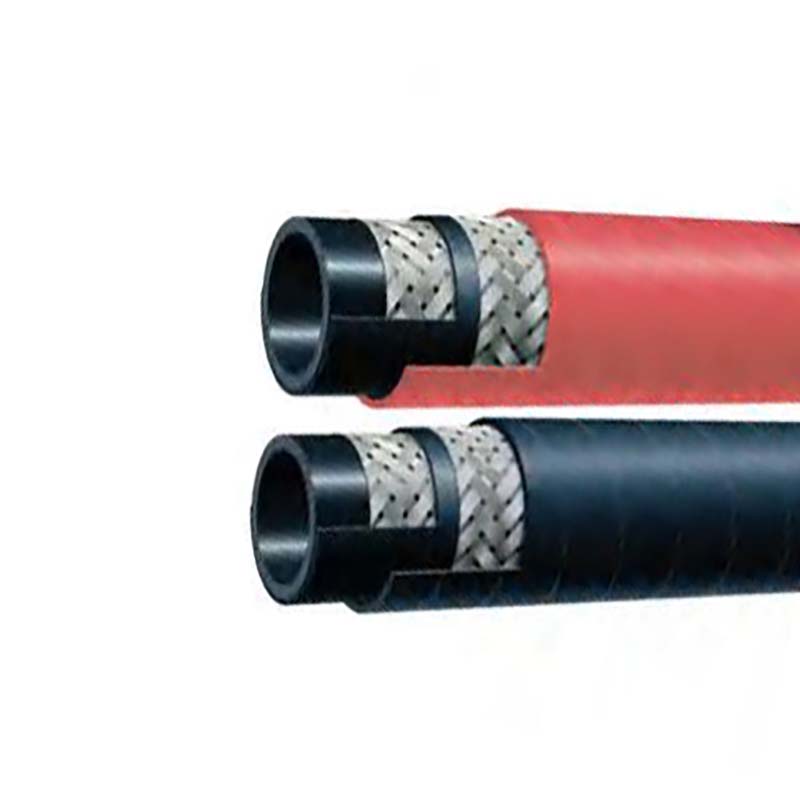
 

Steam/high temperature air hose

 In industrial production and engineering, high-temperature resistant rubber hoses are highly favored due to their excellent heat resistance and corrosion resistance. High temperature resistant hoses play an indispensable role in fields such as chemical, food, pharmaceutical, and machinery manufacturing. In this article, we will delve into the types, characteristics, applications, and how to choose high-quality rubber hoses to meet various steam and high-temperature air transmission needs.

 
What is a high-temperature resistant rubber hose?
 
High temperature resistant rubber hoses refer to flexible pipes that can work stably and maintain their performance in high temperature environments. These hoses are usually made of specially formulated rubber materials that can withstand temperatures up to 200 degrees Celsius or even higher. Their structural design aims to optimize fluid transport efficiency and ensure safety and durability under harsh conditions.
 
2. Types of high-temperature resistant rubber hoses
 
High temperature resistant rubber hoses can be classified according to different uses and materials, and common types include:
 
2.1 Steam hoses
 
Steam hoses are designed specifically for transporting high-temperature steam, and their internal structure typically uses high-temperature resistant silicone or special synthetic rubber. It has good compressive performance and can withstand pressures up to 16 bar, protecting the safety of the hose in high temperature and high pressure environments.
 
2.2 High temperature air hose
 
High temperature air hoses are mainly used to transport high-temperature air and gases, and are widely used in processes such as painting, drying, and heat treatment. This type of hose not only needs to have strong high-temperature resistance, but also needs good flexibility to be used in various complex installation environments.
 
2.3 Oil resistant and high-temperature resistant hose
 
For some industrial applications that require simultaneous prevention of grease erosion and high noise, oil and high temperature resistant hoses have become the choice. They have undergone special treatment to ensure that they can maintain good performance when facing liquids such as oil and gasoline.
 
3. Main characteristics of high-temperature resistant rubber hoses
 
The characteristics of high-temperature resistant rubber hoses make them important in various industry applications. The following are some of the main features:
 
3.1 High temperature performance
 
High temperature resistant rubber hoses can withstand extremely high temperatures, ensuring good performance even in high-temperature working environments. For example, certain specific silicone hoses can withstand temperatures up to 300 degrees Celsius without deformation.
 
3.2 Voltage resistance
 
High quality high-temperature resistant hoses are usually designed with reinforcement layers to increase their pressure bearing capacity under high temperature conditions. This design enables the hose to effectively prevent rupture and leakage under high temperature and pressure conditions.
 
3.3 Chemical stability
 
High temperature resistant rubber hoses usually have strong corrosion resistance and can resist the erosion of various chemicals. Especially in the chemical industry, the use of high-temperature resistant hoses can effectively extend the service life of equipment.
 
3.4 Flexibility and ease of installation
 
Even in high-temperature environments, high-quality heat-resistant hoses still maintain good flexibility, making it convenient for users to install in various complex situations. Due to its lightweight nature, this hose greatly simplifies the installation and maintenance process.
 
4. Application scenarios of high-temperature resistant rubber hoses
 
The application range of high-temperature resistant rubber hoses is very wide, and the following are some common usage scenarios:
 
4.1 Manufacturing process
 
In many manufacturing processes, such as injection molding or die casting, high-temperature steam or hot air is used. At this point, high-temperature resistant rubber hoses can ensure stable gas transmission during the production process and improve production efficiency.
 
4.2 Chemical Industry
 
In chemical plants, many chemicals are prone to react at high temperatures. High temperature resistant hoses can ensure the safe transportation of these fluids under high temperature conditions, avoiding problems such as leaks caused by excessive temperature in conventional hoses.
 
4.3 Food Industry
 
In the process of food production, high-temperature steam is commonly used for cleaning and disinfection. The high temperature resistance and antibacterial properties of high-temperature resistant rubber hoses ensure the safety of food.
 
4.4 Aviation and Automotive Industry
 
In the aviation and automotive manufacturing processes, high-temperature hoses are used to guide hot air and steam, which can enhance the performance and durability of equipment.
 
5. How to choose high-quality high-temperature resistant rubber hoses
 
When choosing high-quality high-temperature resistant rubber hoses, the following aspects can be considered:
 
5.1 Understanding the usage environment
 
Before purchasing high-temperature resistant hoses, determining the environment in which they will be placed is a key factor. This includes temperature, pressure, fluid type, and whether it has been in contact with chemical substances.
 
5.2 Material selection
 
Choose suitable materials such as silicone, polyurethane, etc. according to different applications to ensure that they can adapt to specific high temperatures and chemical environments.
 
5.3 Supplier reputation
 
Choose a reputable supplier to ensure that the high-temperature resistant rubber hoses they provide have undergone strict quality testing and come with relevant quality certificates.
 
5.4 Product Specifications
 
Pay attention to the detailed specifications of the product, such as voltage rating, temperature range, and service life, to ensure that it can meet specific application requirements.
 
6. Conclusion
 
High temperature resistant rubber hoses are an indispensable part of industrial applications, and their importance is self-evident. With the development of technology, materials and techniques for high-temperature resistant hoses are constantly innovating, providing more efficient and safer solutions for various industries in the future. I hope the information provided in this article can help you better understand high-temperature resistant rubber hoses and make informed decisions when choosing and using them. Choosing high-quality high-temperature resistant hoses is an important guarantee for ensuring industrial production safety and efficiency.
 

Online Message

Please fill in your name and message, and don't forget to email and/or call if you wish. We will reply within 24 hours.