
In the oil and gas industry, the quality and performance of hoses are directly related to the safety and efficiency of operations. Among them, API standard petroleum hoses and high-pressure hoses specifically designed for oilfield cementing and fracturing are key components. This article will delve into the standards, applications, selection guidelines, and maintenance of these hoses to help you better understand this important field.
1、 Overview of API standard petroleum hoses
API (American Petroleum Institute) standards are one of the important quality standards in the oil and gas industry. API standard petroleum hoses provide reliable technical support for the development, production, and transportation of petroleum. According to different application requirements, these hoses can be divided into several categories, including general transport hoses, hydraulic hoses, and high-temperature and high-pressure hoses.
The necessity of API standards
Using hoses that comply with API standards can effectively reduce the risk of leakage and enhance operational safety. These standards provide detailed specifications for the material, construction, testing, and performance of hoses to ensure their stable operation in high-pressure environments.
1.2 Composition of API standard petroleum hoses
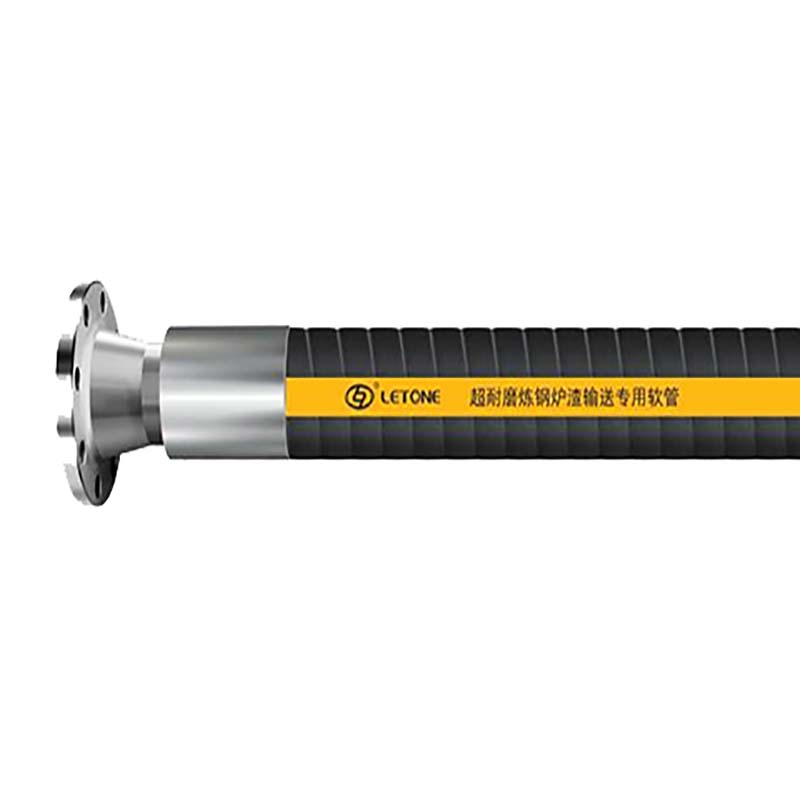
API standard petroleum hoses generally consist of an inner liner, a reinforcement layer, and an outer layer. The inner lining layer is usually made of oil resistant materials to prevent chemical corrosion; The reinforcement layer increases the compressive strength of the hose through multi-layer weaving or spiral winding; The outer layer is usually made of wear-resistant and weather resistant materials to improve durability.
1.3 Application Fields
API standard petroleum hoses are widely used in drilling, oil extraction, transportation and other processes in oil fields, including transporting crude oil, natural gas and various chemical liquids. These applications require hoses to have excellent pressure resistance, friction resistance, and oil resistance.
2、 High pressure hoses for oilfield cementing and fracturing
In the process of oil extraction, cementing and fracturing are two commonly used techniques that require the installation of high-pressure hoses. These hoses not only have to withstand extremely high pressure, but also ensure reliability in extreme environments.
2.1 Well cementing operations and their requirements
Cementing refers to the process of injecting cement slurry into the wellbore to secure the oil well and prevent fluid channeling. The cementing operation requires the use of high-pressure hoses for transporting cement slurry. The hoses used must be able to withstand pressures of thousands of psi and have the characteristics of temperature resistance and wear resistance.
2.2 Fracturing Operation and Its Requirements
Fracturing is the process of fracturing underground rock formations using high-pressure fluids to increase the permeability of oil and gas. This process requires high-pressure hoses to transport fracturing fluid, requiring materials that are light, strong, and have excellent corrosion resistance. High pressure hoses play an extremely important role in hydraulic fracturing operations, so choosing the appropriate product is crucial.
2.3 Types of High Pressure Hoses
According to the working environment and the properties of the fluid being transported, high-pressure hoses can be divided into the following categories:
1. Steel wire reinforced high-pressure hose: It is equipped with multiple layers of steel wires inside to improve its pressure bearing capacity and is suitable for extremely high pressure environments.
2. Composite high-pressure hose: Made of lightweight materials, it can reduce operational burden and is suitable for specific chemical fluids.
3. High temperature and high pressure resistant hose: Made of high temperature resistant materials, it can maintain stable performance in high temperature environments.
3、 Purchase Guide
Choosing appropriate API standard petroleum hoses and high-pressure hoses is crucial for the success of the project. Here are some purchasing suggestions:
3.1 Confirm application requirements
Before choosing a hose, it is necessary to first clarify its specific application scenarios, such as cementing, fracturing, or ordinary transportation. Different applications have different performance requirements for hoses.
3.2 Inspection and Certification Standards
Ensure that the selected hose complies with API or other relevant industry standards, and review documentation to verify its compliance.
3.3 Materials and Design
Pay attention to the selection of materials for hoses, with key performance indicators such as pressure resistance, temperature resistance, and corrosion resistance. At the same time, the rationality of design and the level of craftsmanship directly affect the effectiveness of use.
3.4 Supplier reputation
Choose experienced and reputable suppliers who can provide technical support, after-sales service, and product replacement.
3.5 Consideration of Cost and Benefit
Although high-performance hoses may be more expensive, in the long run, high-quality products can reduce the frequency of failures and replacements, thereby lowering overall costs.
4、 Maintenance and upkeep
Regular maintenance and inspection are essential to ensure the long-term use of API standard petroleum hoses and high-pressure hoses.
4.1 Regular Inspection
Regularly inspect the surface of the hose for wear, cracks, and deformation to ensure that it is in good working condition.
4.2 Cleaning and Storage
When not in use, the hose should be kept clean to prevent residue from adhering and causing corrosion. During storage, direct sunlight and excessive pressure should be avoided to avoid affecting material properties.
4.3 Replacement cycle
Reasonably arrange the replacement cycle of hoses based on usage frequency and working environment. Even if the hose appears intact, replacement should be considered after a certain period of use to ensure safety.
V. Summary
API standard petroleum hoses and high-pressure hoses play a crucial role in the petroleum industry, and are indispensable for key operations such as oilfield cementing and fracturing. By understanding the purchasing requirements and maintenance, enterprises can improve operational efficiency, reduce safety hazards, and promote sustainable development. Investing in high-quality hoses not only helps ensure smooth operations, but also lays a solid foundation for the long-term development of the enterprise.
Online Message
Please fill in your name and message, and don't forget to email and/or call if you wish. We will reply within 24 hours.
