
Well control technology is crucial in oil drilling. In the well control system, BOP (blowout preventer) plays an indispensable role. With the development of technology, API16D well control hoses have gradually become one of the essential high-pressure hydraulic pipelines in drilling operations. This article will provide a detailed introduction to the characteristics, applications, and importance of API16D well control hoses in well control systems.
1、 What is API16D well control hose?
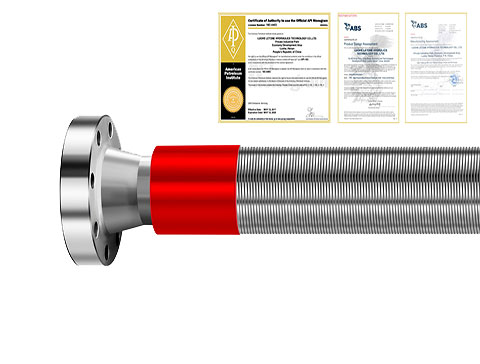
API16D well control hose refers to a well control hose that meets the American Petroleum Institute (API) 16D standard, specifically designed for oil and gas drilling and production in high-pressure environments. This hose is mainly used to connect the blowout preventer with other hydraulic devices, ensuring quick and effective control of well surges in case of unexpected situations. Due to its high pressure tolerance and reliability, API16D well control hoses have become an indispensable component in oilfield drilling.
1.1 Interpretation of API16D Standard
API16D is a standard set by the American Petroleum Institute for hydraulic pipelines, mainly targeting blowout preventers, wellhead controls, and other related devices. This standard specifies multiple aspects of pipeline design, materials, performance testing, electrical insulation, etc., to ensure that these high-voltage hoses can still operate normally under extreme working conditions. Hoses that meet this standard can operate safely and reliably at pressures of 15000 psi (approximately 1034 bar) or higher.
1.2 Structure and materials of hoses
API16D well control hoses are typically composed of multiple layers of high-strength materials, including inner lining, reinforcement layer, and outer protective layer. The inner lining layer usually uses wear-resistant and corrosion-resistant synthetic rubber to ensure stability under high pressure and harsh environments; The reinforcement layer is woven with high-strength fibers or steel wires to enhance the pressure resistance and tensile strength of the hose; The outer protective layer is made of materials that are resistant to ultraviolet rays and acid and alkali to extend its service life.
2、 Application of API16D well control hose
With the continuous advancement of oilfield drilling technology, the application scenarios of API16D well control hoses are becoming increasingly widespread. In addition to conventional oil and gas drilling operations, it is also widely used in special environments such as deepwater drilling and shale gas exploration that require high pressure.
2.1 Key roles in oil and gas drilling operations
During oil and gas drilling, the API16D well control hose is mainly used to connect the blowout preventer to the hydraulic system of the drilling platform. These hoses can withstand the pressure from the formation fluid and promptly discharge it, thereby preventing the occurrence of blowout accidents. The reliability of well control hoses is directly related to the safety of the entire drilling operation, and any small mistake can lead to serious consequences.
2.2 Deepwater drilling and complex environments
Deepwater drilling, as an emerging oil and gas extraction method, faces even more severe challenges. In the depths of the ocean, due to the coexistence of high pressure and low temperature, it is required to use more sturdy and durable well control hoses. API16D well control hoses have become an indispensable part of deepwater drilling systems due to their superior pressure resistance and corrosion resistance. At the same time, these hoses can effectively resist the erosion of seawater and other chemical media, improving the safety of operations.
3、 Precautions for choosing API16D well control hose
When selecting API16D well control hoses, multiple factors need to be considered to ensure that they meet specific usage requirements.
3.1 Specification and size of hoses
Different drilling operations have different requirements for the diameter and length of hoses. When selecting, the appropriate specifications should be determined based on actual needs to ensure that the hose can be effectively connected to the blowout preventer and other hydraulic equipment.
3.2 Voltage resistance
The pressure difference between different well sites may be significant, so when selecting API16D well control hoses, special attention should be paid to their pressure resistance. Be sure to ensure that the selected hose can adapt to the maximum pressure at the wellhead to avoid safety accidents caused by hose rupture.
3.3 Material selection
The material of API16D well control hose affects its service life and safety. Reliable manufacturers will use high-quality synthetic resins, rubber, and metal materials to ensure the durability of hoses. At the same time, attention should be paid to the corrosion resistance of the hose to cope with complex working environments.
4、 Maintenance and upkeep of API16D well control hose
Regular maintenance and upkeep are crucial when using API16D well control hoses, as they not only extend the lifespan of the hoses but also effectively ensure the safety of drilling operations.
4.1 Regular Inspection
During use, it is necessary to conduct regular visual inspections of the hose to check for wear, cracks, or other damage. If any abnormalities are found, they should be replaced in a timely manner. In addition, the fastening of the connection should be checked to prevent oil leakage, dripping, and other issues caused by looseness.
4.2 Cleaning and Storage
When not using API16D well control hoses, they should be kept clean and stored in a dry, cool place, away from direct sunlight and humid environments. Regularly clean the hose to prevent impurities from accumulating and affecting normal use.
4.3 Replacement cycle
Even with good maintenance, API16D well control hoses have their service life. A usage cycle plan should be developed to ensure timely replacement when the replacement cycle is reached, which can avoid potential risks.
5. Conclusion
API16D well control hoses play a crucial role in oilfield drilling operations, providing solid support for well control technology with their excellent pressure resistance and reliability. Choosing appropriate well control hoses, regular maintenance and upkeep can effectively improve the safety of drilling operations and ensure efficient extraction of oil and gas resources. In the future, it can be foreseen that with technological advancements, API16D well control hoses will continue to evolve to adapt to more complex and demanding operating environments, driving further development in the oil and gas industry.
Online Message
Please fill in your name and message, and don't forget to email and/or call if you wish. We will reply within 24 hours.
