
In industrial production, the transportation of various fluids is an important part of maintaining normal operation, among which the transportation of high-temperature fluids requires strict technical requirements. This article will delve into the characteristics, application scenarios, and how to choose suitable products for high-temperature resistant rubber steam pipes, helping readers to fully understand this critical industrial pipeline.
1、 Basic concept of high-temperature resistant rubber steam pipe
High temperature resistant rubber steam pipe is made of special rubber material and can withstand high temperature and high pressure conditions. It is widely used for the transportation of high-temperature fluids such as steam, hot water, and chemical media. Compared with traditional rubber pipes, high-temperature resistant rubber steam pipes have stronger pressure resistance and corrosion resistance in structural design, and can be used in more demanding working environments.
2、 Manufacturing materials and processes for high-temperature resistant rubber steam pipes
The key to high-temperature resistant rubber steam pipes lies in their manufacturing materials. Common materials include synthetic rubber (such as chloroprene rubber CR, silicone rubber) and fiber-reinforced materials (such as cotton thread, plastic fibers, etc.). These materials are mixed and processed through special techniques, making the rubber tube not only resistant to high temperatures, but also have good flexibility and strength.
1. Material selection:
-Chloroprene rubber (CR): It has excellent high temperature resistance and can generally withstand a temperature range of -40 ℃ to+120 ℃. It is suitable for the transportation of steam and chemical fluids.
-Silicone rubber: It can withstand high temperatures up to+180 ℃ and is commonly used in extreme conditions, especially in aerospace, nuclear energy, and other fields.
2. Weaving process:
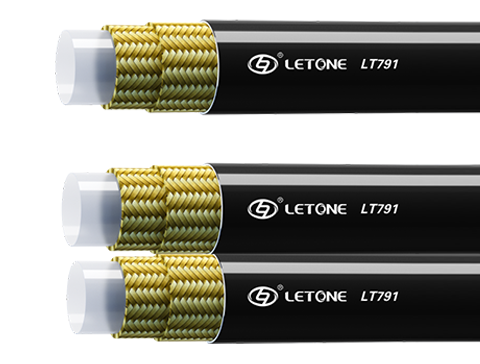
-Multi layer cotton thread weaving: By weaving multiple layers of cotton thread, the tensile strength and wear resistance of the rubber tube are enhanced, effectively avoiding the rupture of the pipeline caused by high pressure and high temperature.
-Inner and outer structure: The material selection and thickness design of the inner and outer layers are also key to ensuring the performance of high-temperature resistant rubber steam pipes. Reasonable thickness can effectively improve the fluid transport efficiency and safety of the pipeline.
3、 Performance characteristics of high-temperature resistant rubber steam pipes
1. Superior temperature resistance:
-Capable of stable operation in high temperature environments, suitable for steam transportation, with a temperature range of up to 150 ℃ or above.
2. Good flexibility:
-Having a certain degree of bending ability, able to flexibly arrange in narrow spaces and adapt to various complex equipment layouts.
3. Corrosion resistance:
-High temperature resistant rubber steam pipes can resist the erosion of various chemical substances, especially performing well in industries such as petroleum and chemical.
4. Strong wear resistance:
-Strengthening weaving technology improves wear resistance and effectively prevents damage to pipelines caused by friction during transportation.
4、 Application fields of high-temperature resistant rubber steam pipes
High temperature resistant rubber steam pipes are widely used in the following fields due to their excellent performance:
1. Industrial manufacturing:
-High temperature steam transmission is often required in industries such as mechanical manufacturing and mold processing, and high-temperature resistant rubber steam pipes are an ideal choice.
2. Chemical industry:
-In chemical processes, many materials can only complete reactions under high temperature conditions, and high-temperature resistant rubber pipes are required for transportation.
3. Food and pharmaceutical industry:
-The smooth surface and easy cleaning characteristics make these pipelines suitable for food processing and pharmaceutical industries, ensuring the safety and hygiene of the processing process.
4. Aerospace:
-In high-performance aircraft, the lightweight and temperature resistance of high-temperature resistant rubber steam pipes are particularly important.
5、 Precautions for selecting high-temperature resistant rubber steam pipes
When choosing high-temperature resistant rubber steam pipes, the following important factors must be considered:
1. Temperature and pressure requirements:
-Select the appropriate specifications based on the specific working temperature and pressure to ensure the safe operation of the pipeline.
2. Materials and standards:
-The high temperature resistance of different materials varies, and products that meet industry standards should be selected to ensure their safety and reliability.
3. Interface and connection method:
-Confirm the compatibility of pipeline interface standards (such as clamps, threads, etc.) with other equipment to ensure a stable connection.
4. Operating environment:
-Consider the conditions of the installation environment, including whether it will be affected by external impacts, chemical erosion, or temperature limits.
5. Supplier reputation:
-Choose well-known manufacturers and brands to ensure product quality and reliable after-sales service.
6. Conclusion
High temperature resistant rubber steam pipes have become an indispensable equipment in modern industrial fluid transportation due to their superior performance. Understanding its characteristics, application areas, and key purchasing points can help companies improve work efficiency and ensure production safety in related fields. In the future industrial development, it is expected that this field can provide more innovative solutions to meet the increasing demand for materials.
High temperature resistant rubber steam pipes are not only the "bridge" for material transportation, but also an important manifestation of modern industrial technological progress. I hope this article can help you better understand the value and significance of high-temperature resistant rubber steam pipes, and provide reference for your practical application.
Online Message
Please fill in your name and message, and don't forget to email and/or call if you wish. We will reply within 24 hours.
